
Sim Rig Buying Guide: A Beginner’s Guide for 2026
Step into the virtual racing arena and experience the most thrilling and realistic driving simulation possible with our comprehensive guide: Sim Rig Buying Guide for Beginner Racers 2026. This in-depth manual covers…
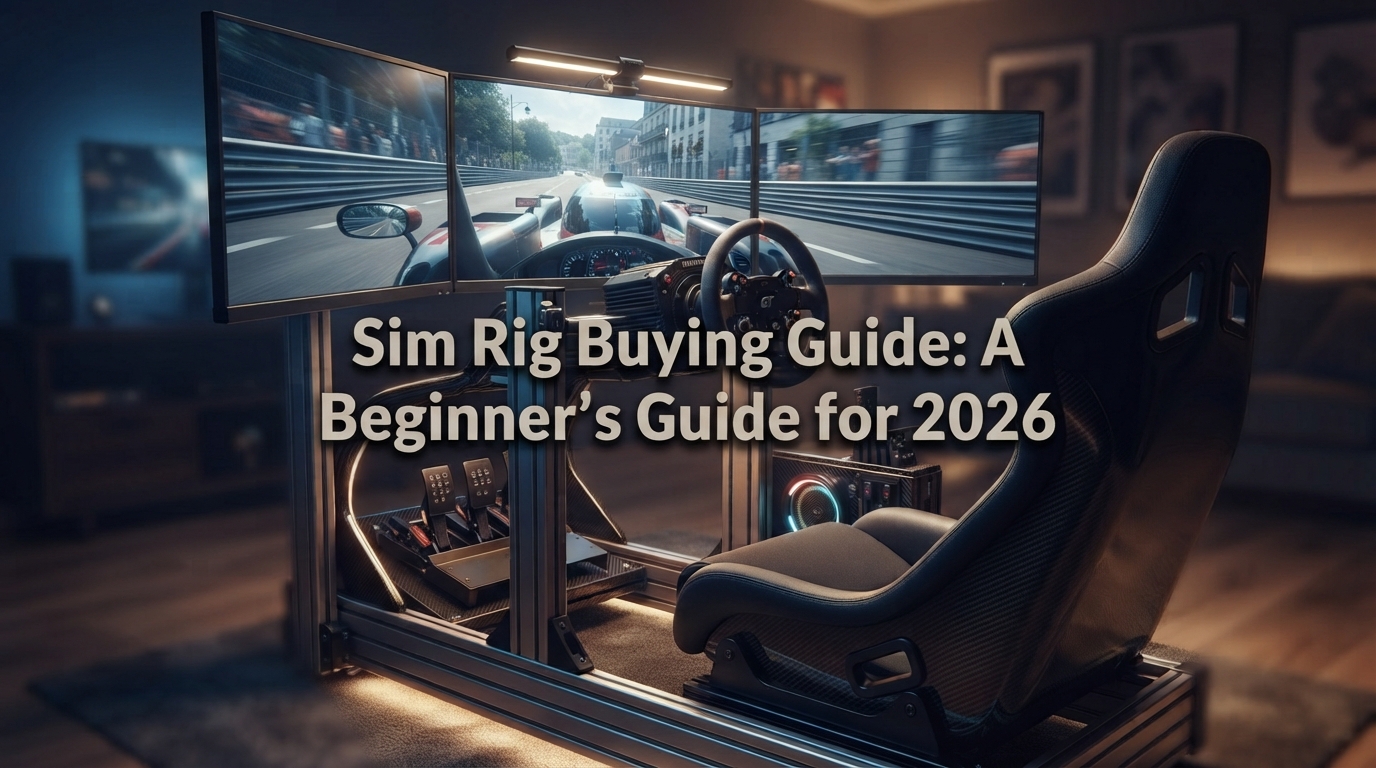
Step into the virtual racing arena and experience the most thrilling and realistic driving simulation possible with our comprehensive guide: Sim Rig Buying Guide for Beginner Racers 2026. This in-depth manual covers essential components for novice racers, spanning the selection of sturdy and rigid aluminum profile cockpits, the comparison between powerful Direct Drive steering wheel technology and entry-level belt-driven systems, the importance of choosing ergonomic seats and proper seating posture to prevent back pain, and the benefits of Load Cell pedal sets and shifter kits to maximize driving precision.
This article also provides a tiered budgeting framework for beginners in 2026, ranging from budget-friendly introductory setups to high-value mid-tier builds designed for long-term use, alongside expert advice on avoiding cheap, fragile gear. Equip yourself to build your dream sim rig tailored to your budget and hit the asphalt with total confidence throughout the year.
Key Takeaways
- The Chassis is Foundation: A rigid, stable frame is paramount, preventing dangerous flex and shaking during heavy steering and braking inputs.
- Steering Technology (Wheel Base): Options range from affordable gear-driven and belt-driven entry models to ultra-realistic Direct Drive systems.
- Ergonomics: Proper seating positions and seat choices are essential to prevent chronic back pain during long, immersive racing sessions.
- Tiered Upgrades: Beginners do not need to buy top-tier gear all at once; start with a solid foundational structure and gradually upgrade components as your passion grows.
The Cockpit / Rig: Your First Priority
The single most critical element of any sim setup is a robust and unyielding mounting frame.
- Structural Integrity: Flimsy frames will flex, wobble, and rattle whenever you stomp on the brakes or snap the wheel hard, utterly destroying your immersion—no matter how expensive your steering wheel is.
- Popular Materials: Aluminum profiles have become the absolute gold standard because of their incredible rigidity, durability, and infinite modularity for adjusting distances, sliding seats, or mounting accessories.
Steering Wheels and Wheel Bases: Direct Drive vs. Gear/Belt-Driven
Selecting your steering system directly dictates your tactile feedback and force fidelity
- Direct Drive (DD): The pinnacle of modern wheel technology, featuring a motor mounted directly to the steering shaft with no intermediate gears or belts. It delivers razor-sharp, highly detailed, and profoundly realistic resistance (and is far more accessible now than ever before).
- Gear-Driven / Belt-Driven: Entry-level wheels utilizing gears or belts to transmit force. These are ideal for newcomers looking to save money and test the waters before committing to the hobby.
Seating and Ergonomics
Sim racing sessions frequently span multiple consecutive hours, making proper seat selection non-negotiable.
- Comfort and Adjustability: Opt for seats with adjustable recline and height angles, or repurpose actual automotive seats to adequately support your lower back and neck, drastically reducing fatigue.
- Authentic Posture: The distance to your pedals and the mounting height of your wheel should mirror real racing cars, training your muscle memory for proper form and endurance.
Pedal Sets and Shifters
Beyond the steering wheel, these auxiliary peripherals complete the authentic driving experience.
- Load Cell Pedals: If your budget allows, prioritize a Load Cell brake pedal, which measures physical pressure rather than mechanical travel distance. This dramatically improves trail-braking consistency and corner-entry precision.
- Shifters and Handbrakes: For manual enthusiasts, an H-pattern or sequential shifter paired with a handbrake unlocks immense excitement for rallying or vintage racing disciplines.
2026 Budgeting Guide for Beginners
- Entry-Level Budget: Focus on a sturdy desk mount or foldable metal stand paired with an entry-level belt- or gear-driven wheel (such as Logitech or Thrustmaster), perfect for testing the hobby.
- Mid-Range Budget (Long-Term Value): Invest in an aluminum profile rig, a mid-torque Direct Drive wheel (around 5 to 8 Nm), and a secondary or aftermarket car seat. This tier easily serves you reliably for years.
- Expert Tip: Avoid bottom-barrel equipment that breaks instantly, but equally avoid blowing a fortune before you know your commitment level. Study the ecosystem and upgrade piece by piece for maximum satisfaction.
Ultimately, the best sim rig doesn’t have to be the most expensive one. Matching your equipment to your actual budget and scaling up organically yields the most rewarding long-term experience.